How to Compare Recruitment Agencies in Pakistan for Overseas Hiring
Choosing a recruitment partner should be a documented comparison, not a decision based only on a logo, a large page count, or a broad promise. This guide gives employers a practical scorecard for licence checks, requirement fit, screening evidence, document handling, communication and mobilisation.
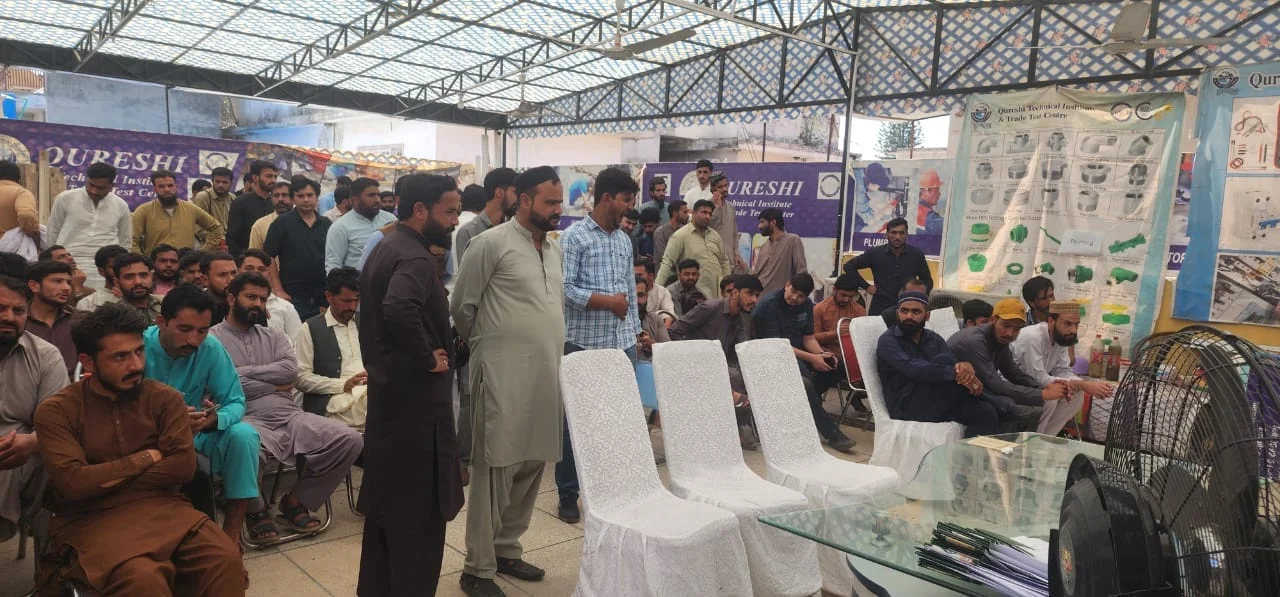
Compare six things before appointing an agency
For overseas hiring from Pakistan, compare the legal route, understanding of the role, candidate sourcing and screening, document controls, communication discipline, and mobilisation coordination. The right choice depends on the employer’s requirement and the evidence an agency can explain—not on one marketing phrase.
Keep the licence check, written brief, comparison scorecard, questions, answers and approved changes together.
What should an employer compare first?
Ask each agency the same core questions. Record the answer, the supporting evidence and any point that still needs confirmation.
| Area | Questions to ask | Evidence to record |
|---|---|---|
| Legal route | What is the agency or OEP identity, and which official source should verify it? | Licence details, verification link, date checked and the person who checked it. |
| Requirement fit | How will the agency understand the occupation, work setting, headcount and destination? | Approved job description, essential criteria, terms and open questions. |
| Candidate review | How are experience, certificates, language, availability and role-specific skills reviewed? | Screening criteria, sample evidence fields and a clear escalation route. |
| Practical assessment | Is an interview, trade test or technical assessment appropriate for this occupation? | Assessment owner, method, criteria, result record and employer approval. |
| Documents | Which employer and candidate documents are needed, and how are changes communicated? | Document checklist, responsible reviewer, secure submission route and version date. |
| Mobilisation | What happens after selection, and which steps remain subject to employer or official confirmation? | Approved next-step plan, dependencies, contacts and status updates. |
A careful comparison starts with verification
Employers can use the following sequence before they appoint an agency or ask candidates to proceed. It keeps commercial discussions separate from current official requirements and case-specific decisions.
Do not treat a general guide as confirmation of a visa, medical, permit, travel date, vacancy, salary or hiring outcome. Confirm current details with the responsible employer and official authority.
1. Verify the licence and route
Check the agency’s legal identity through the official Bureau of Emigration & Overseas Employment OEP list. Save the date and the exact record reviewed.
2. Test requirement understanding
Ask the agency to restate the occupation, work conditions, destination, headcount, essential skills and written terms in its own words.
3. Compare screening evidence
Look for a defined review of work history, role-specific capability, records and availability. Ask what happens when a profile is incomplete.
4. Review document controls
Confirm who requests, receives, checks and stores documents. Candidates should share personal records only through a confirmed route.
5. Compare communication
Ask how requirement changes, interview decisions, missing documents and unresolved questions are recorded and communicated.
6. Map mobilisation steps
Separate completed actions from dependencies that still require employer, destination or official confirmation.
Turn conversations into a documented decision
Give each comparison area a status such as confirmed, partly confirmed, or open. Add a short reason rather than relying on a numerical score that hides important uncertainty.
- Write the employer requirement before speaking with agencies.
- Ask the same six core questions of every agency under consideration.
- Attach the evidence or source for each answer.
- Mark unresolved differences and assign an owner for follow-up.
- Record the final decision and the conditions that must remain true.
This approach helps a hiring team explain why an agency was selected and makes it easier to review the decision if the role, destination, documents or timeline changes.
Suggested scorecard columns
- Comparison area
- Agency answer
- Source or evidence
- Status: confirmed, partial or open
- Follow-up owner
- Review date
Questions to ask a recruitment agency
These questions help employers test whether the proposed process is specific enough for the work:
- Which part of the requirement needs clarification before sourcing?
- What evidence will show that a candidate meets the role standard?
- Which steps are handled by the employer, the agency, the candidate and the official authority?
- How will the agency report a change or a missing document?
- What information should not be promised before the responsible source confirms it?
- Which contact will own the next written update?
Clear answers are more useful than broad assurances. If an answer depends on a current law, destination rule or employer decision, record that dependency and verify it before acting.
When answers conflict
Ask each agency to identify the source, date, responsible party and exact requirement behind its answer. Keep the issue open until it is confirmed in writing.
Read the OEP safety checklistUse the same evidence standard when reviewing Qureshi
Qureshi Manpower Bureau publishes an OEP licence information page, a broad overseas manpower recruitment service, and an employer recruitment process. Employers can use those pages as starting points, then ask questions specific to the occupation, destination, headcount, written terms and selection standard.
For country-specific planning, review the Saudi employer recruitment route. For construction requirements, use the construction manpower page. These pages explain different routes; they do not replace the employer’s written requirement or official confirmation.
Last reviewed: 22 October 2026. Current requirements, official procedures and live demand should be checked again when the employer is ready to proceed.
Choose the next route
Share a defined requirement when you are ready to compare a live recruitment process.
Contact the recruitment teamComparing overseas recruitment agencies
Is the largest recruitment agency automatically the right choice?
No. Compare the licence, experience with the required occupation and destination, screening evidence, document controls, communication and ability to follow the written requirement.
How can an employer verify a recruitment agency in Pakistan?
Check the agency or Overseas Employment Promoter through the official Bureau of Emigration & Overseas Employment route, then compare the written information with the employer requirement.
Should every agency use the same screening process?
The method may differ by occupation and destination, but each agency should explain what it checks, what evidence it records and who makes the relevant decision.
What should an employer do when agencies give different answers?
Ask for the source, date, responsible party and exact requirement behind each answer. Pause material decisions until the conflicting point is confirmed in writing.
Ready to compare a live overseas hiring requirement?
Prepare the role, destination, headcount, essential skills, written terms and selection requirements before contacting the recruitment team.